PCE confirms disinflation. The rate market is unconvinced.
Today handed the bulls exactly the data they needed: October core PCE came in at 2.2%, a print the market had not priced for a cycle where CPI is still running near 3.9%. The gap between the two gauges — PCE reflecting services disinflation that CPI's shelter weights obscure — is now the central debate heading into the December 9 FOMC meeting. GDP was confirmed at 3.4% annualized in Q3. By the numbers, that is textbook Goldilocks: rising growth, falling inflation.
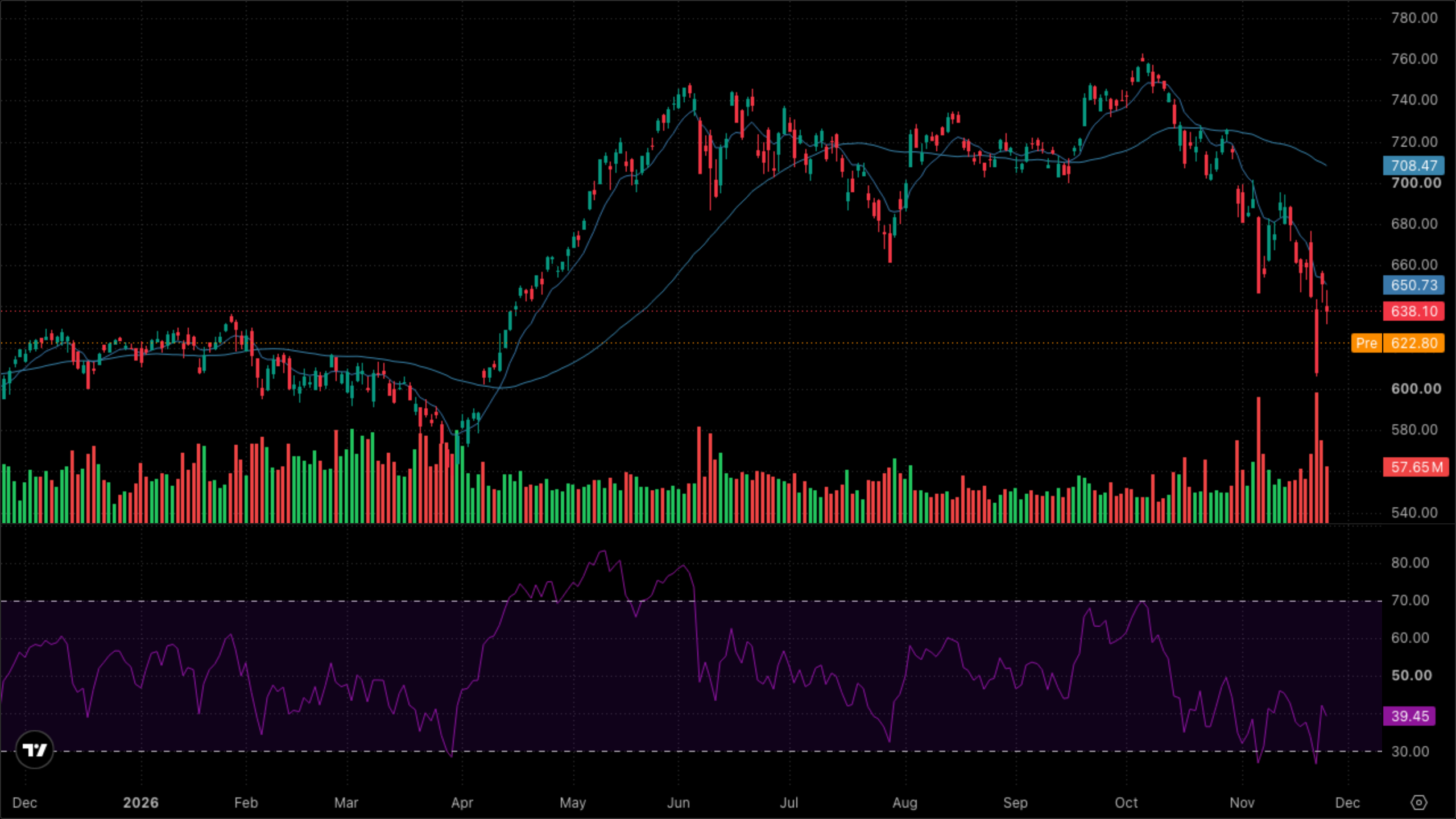
Yet the 10Y yield closed at 4.86% — just 7 basis points below yesterday — and the Fed was priced for a hike heading into the data. VIX surged to 28.99, up nearly 10%. The bond market gave back less than a week's worth of volatility premium on a print that, in a prior cycle, would have sent yields 25 basis points lower. The regime signal from the data is Goldilocks; the signal from market pricing is stagflation risk remains. The two are in direct conflict, and the December 9 meeting is the forcing function.
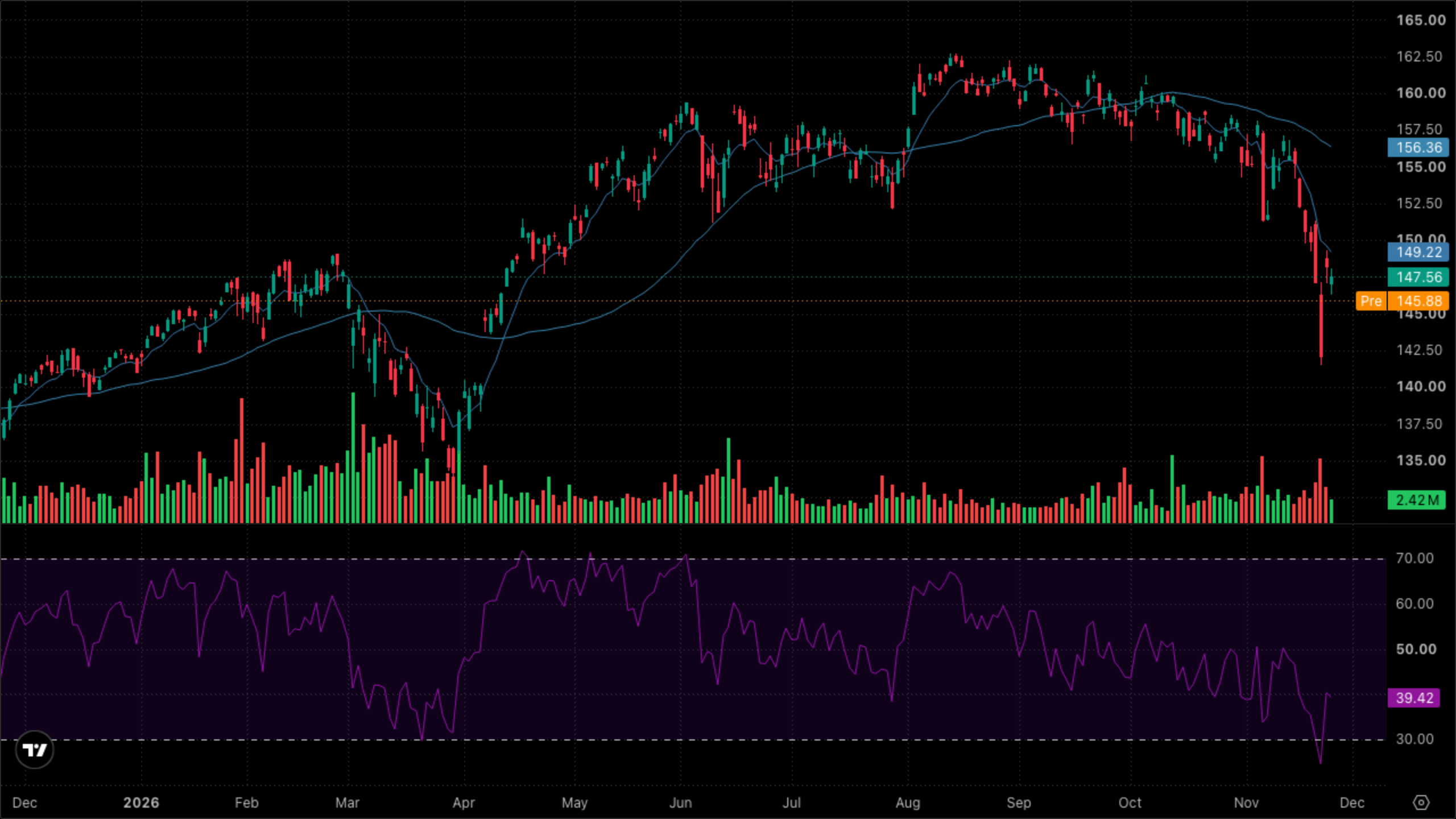
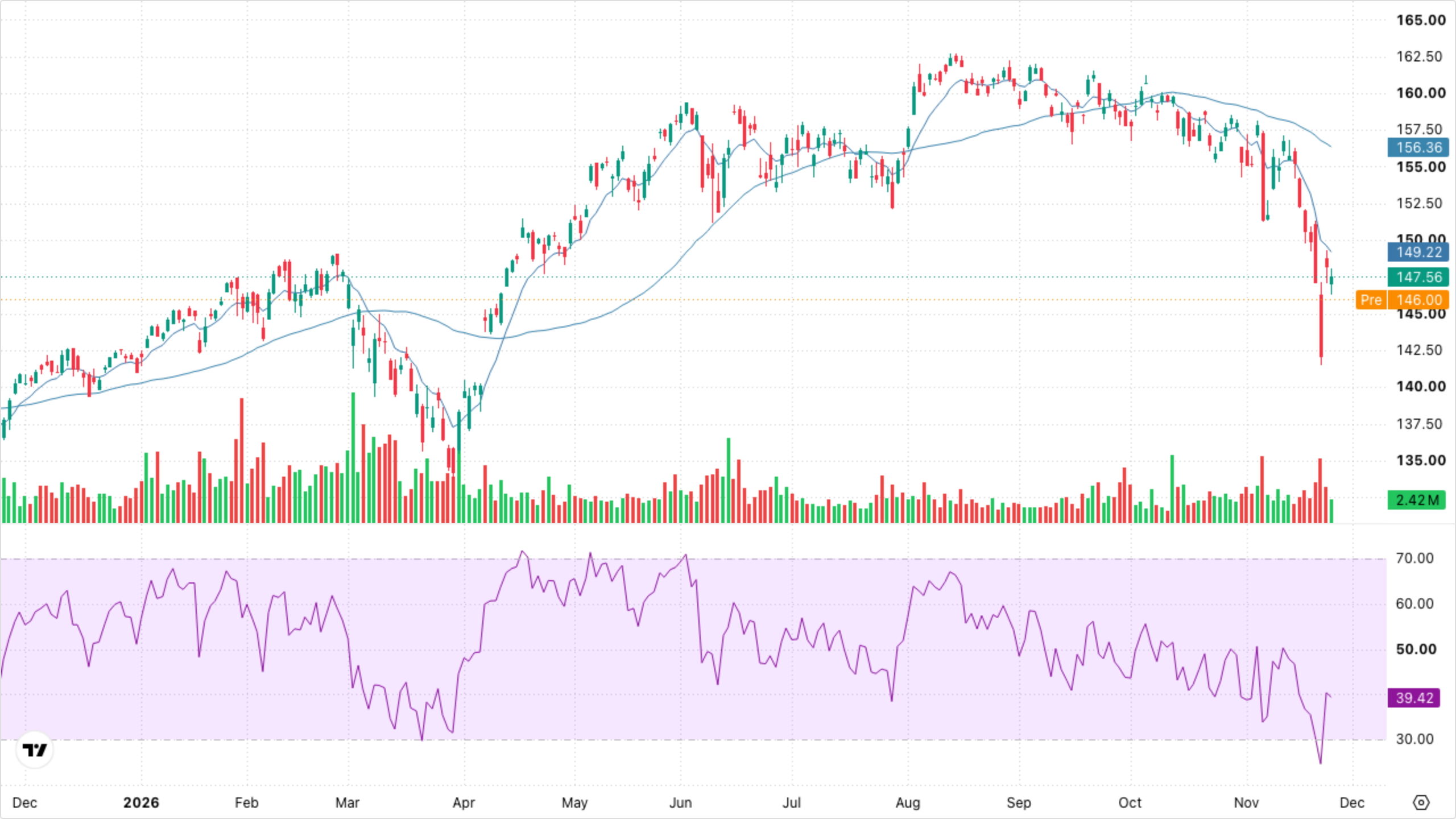
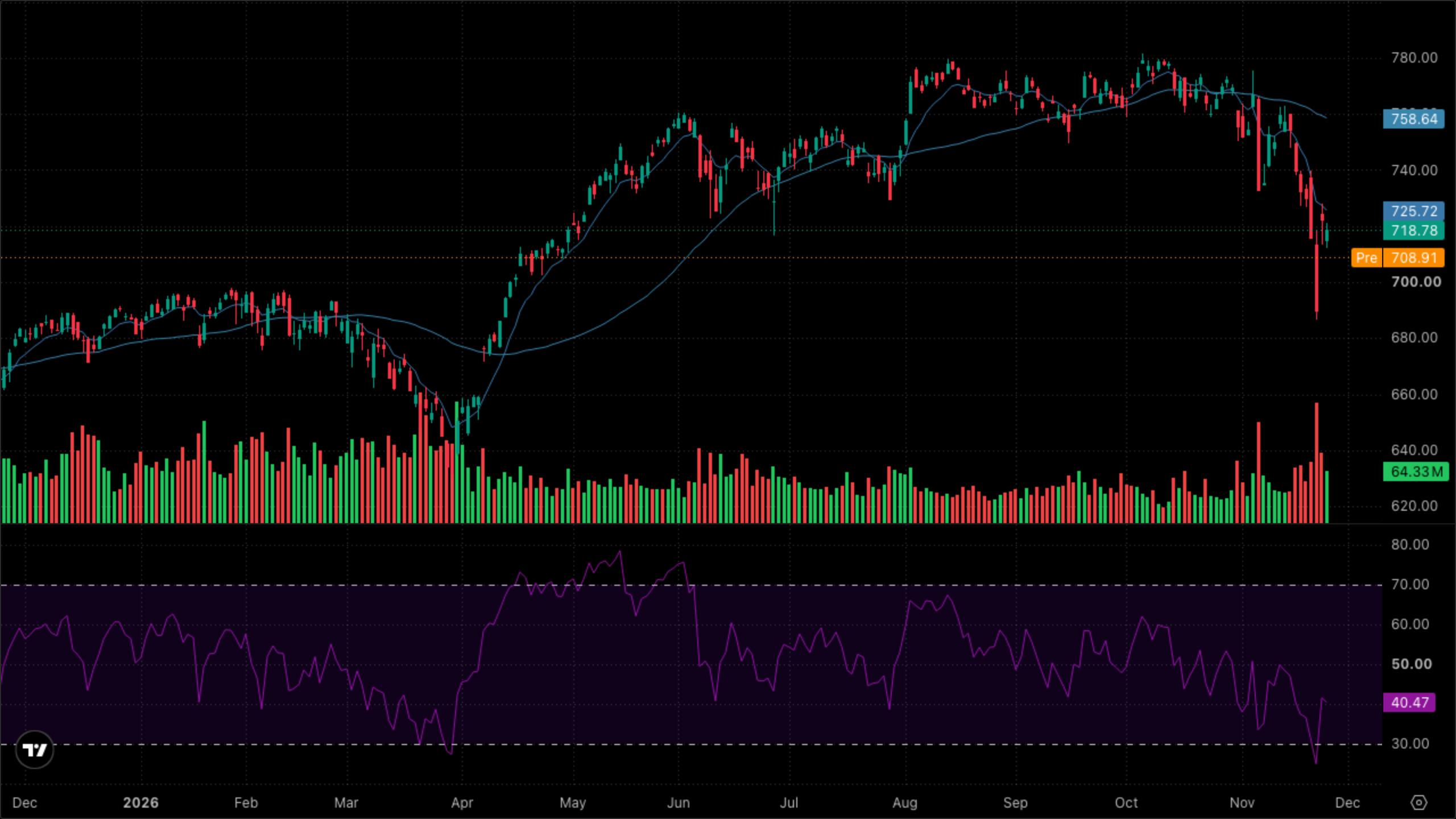
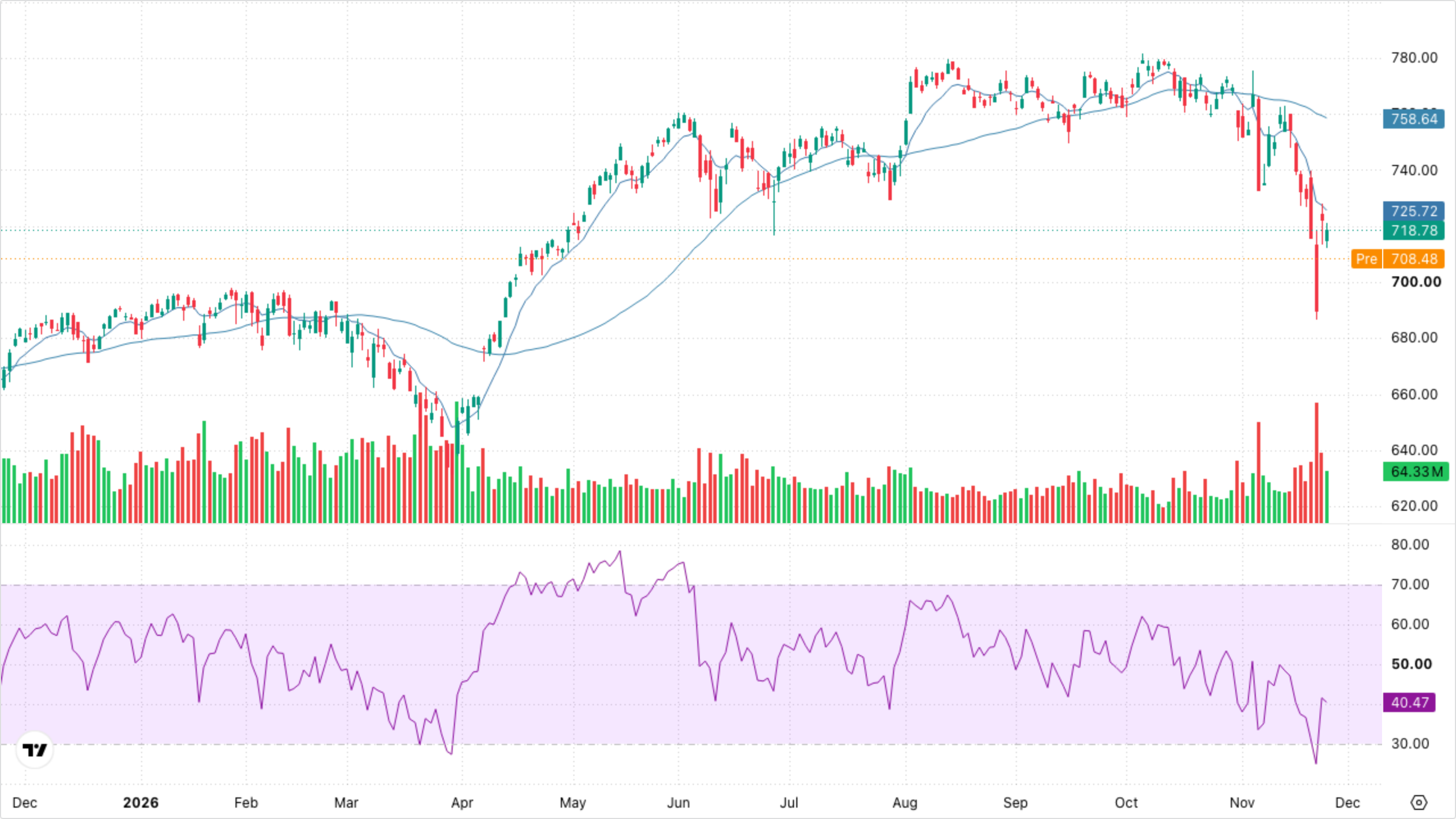
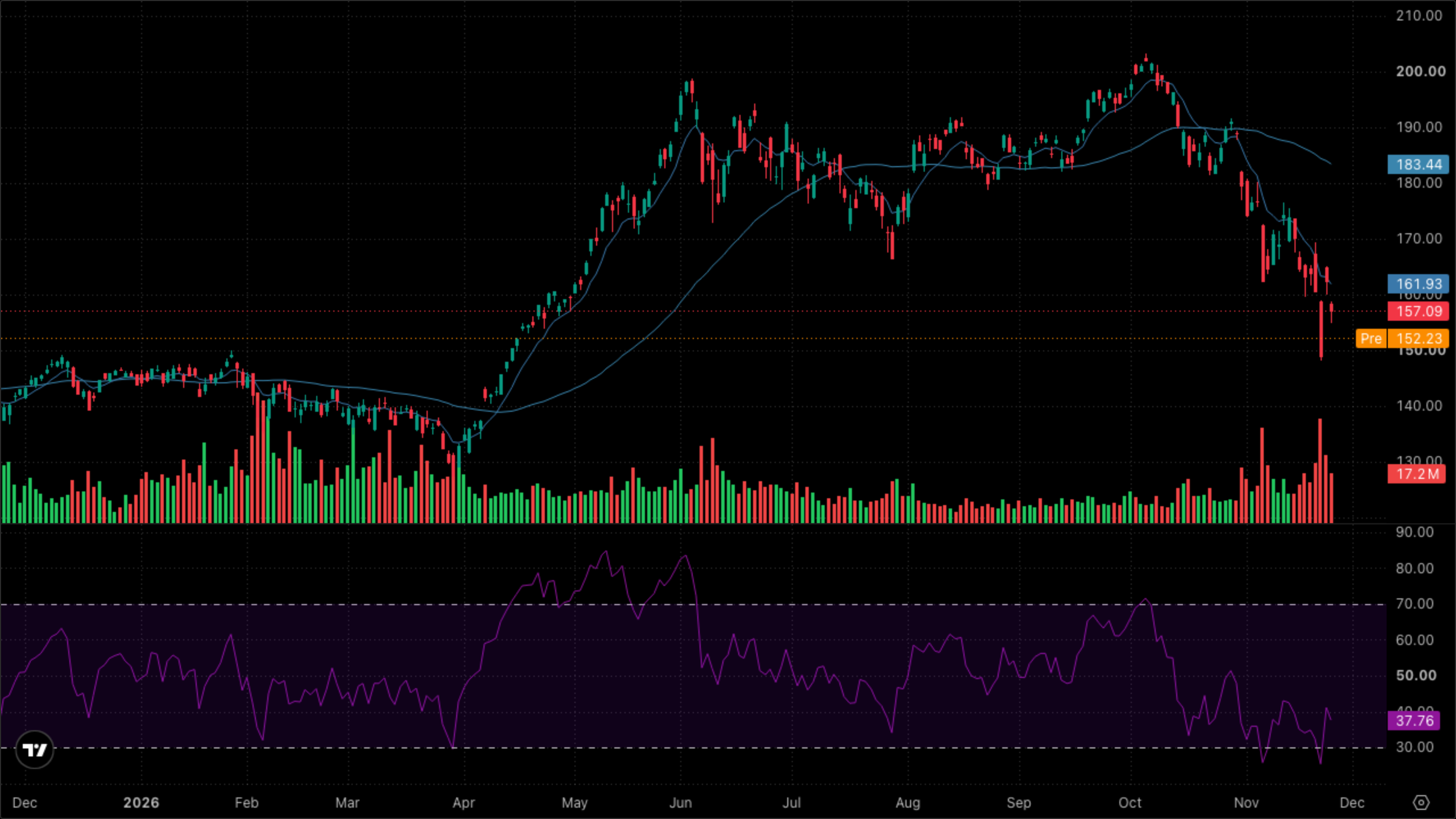
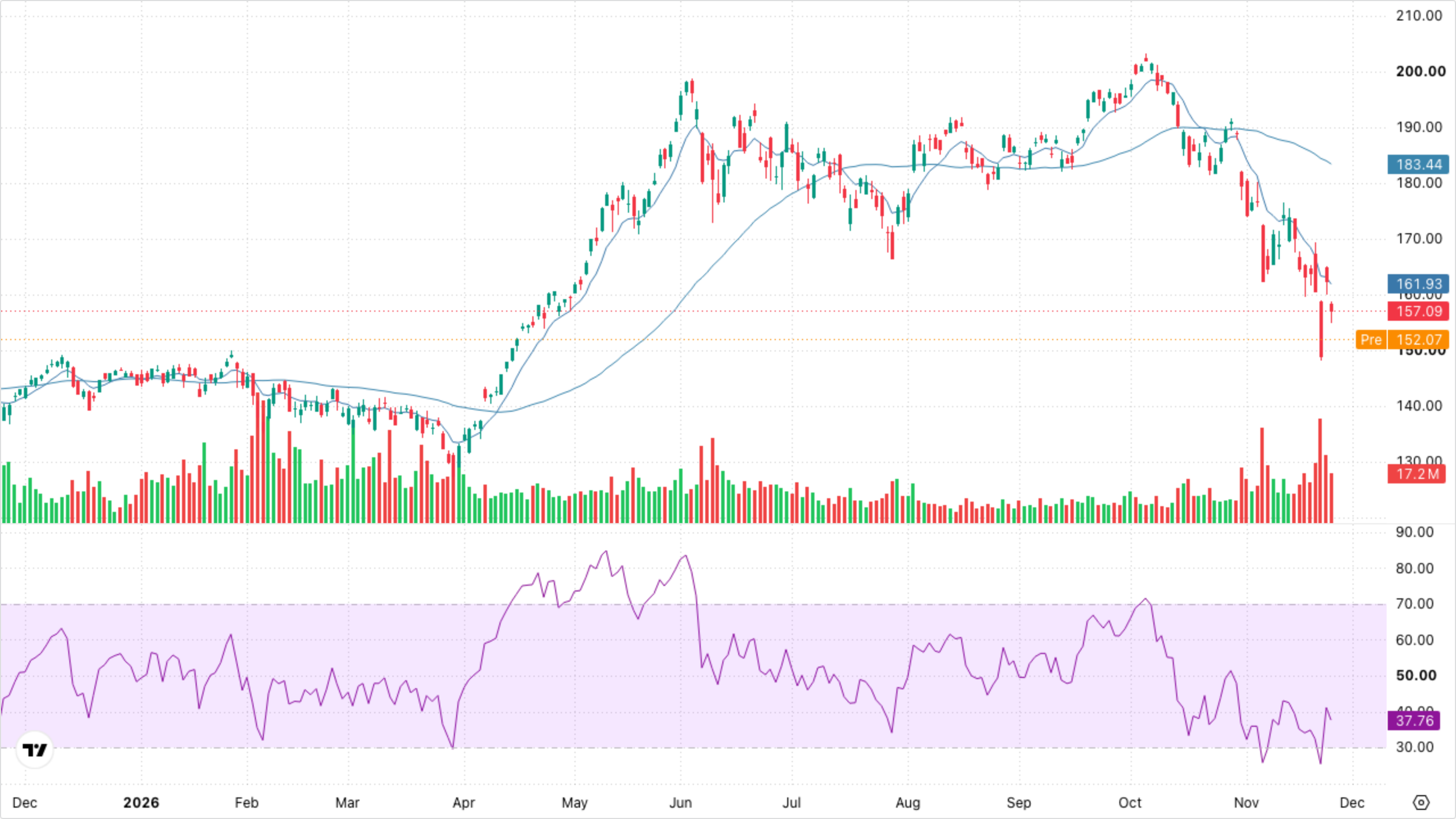
Today's equity session illustrated the tension perfectly: the Dow crossed 50,000 for the first time on the back of industrials and healthcare, while the Nasdaq fell 2% as the Jensen Huang AI-revival rally from Monday evaporated in a single session. The chip index dropped 7.9%. This is not a normal Goldilocks tape — it is a Goldilocks data backdrop being stress-tested by rate-market skepticism and AI valuation anxiety. Assign the regime call with one hand; keep the other on the exit lever until the December meeting resolves the contradiction.
Cross-Asset Narrative
Rates & curve
Treasuries rallied modestly on the soft PCE print — 10Y fell 7bps to 4.86%, 2Y fell 6bps to 4.63%, 30Y fell 6bps to 5.26%. The 2s10s spread holds at +23bps, a positively sloped curve that is unusual given recent Fed tightening expectations and signals that the bond market still prices growth durability alongside persistent rate pressure. The modest magnitude of today's yield move — 7bps on a print that dramatically undershot consensus — is itself a signal: the bond market is not ready to price a Fed pivot on one PCE observation.
Inflation pulse
Gold −0.72% to 3,530.37, copper −1.04% to 5.31, silver −1.49%, WTI crude essentially flat at 81.65. The commodity complex sold off in sympathy with the disinflation data, but no dramatic moves. Copper's underperformance vs. gold today (copper fell more in percentage terms) nudges the copper/gold ratio slightly lower — a mild growth caution signal embedded in an otherwise constructive macro print.
Risk appetite
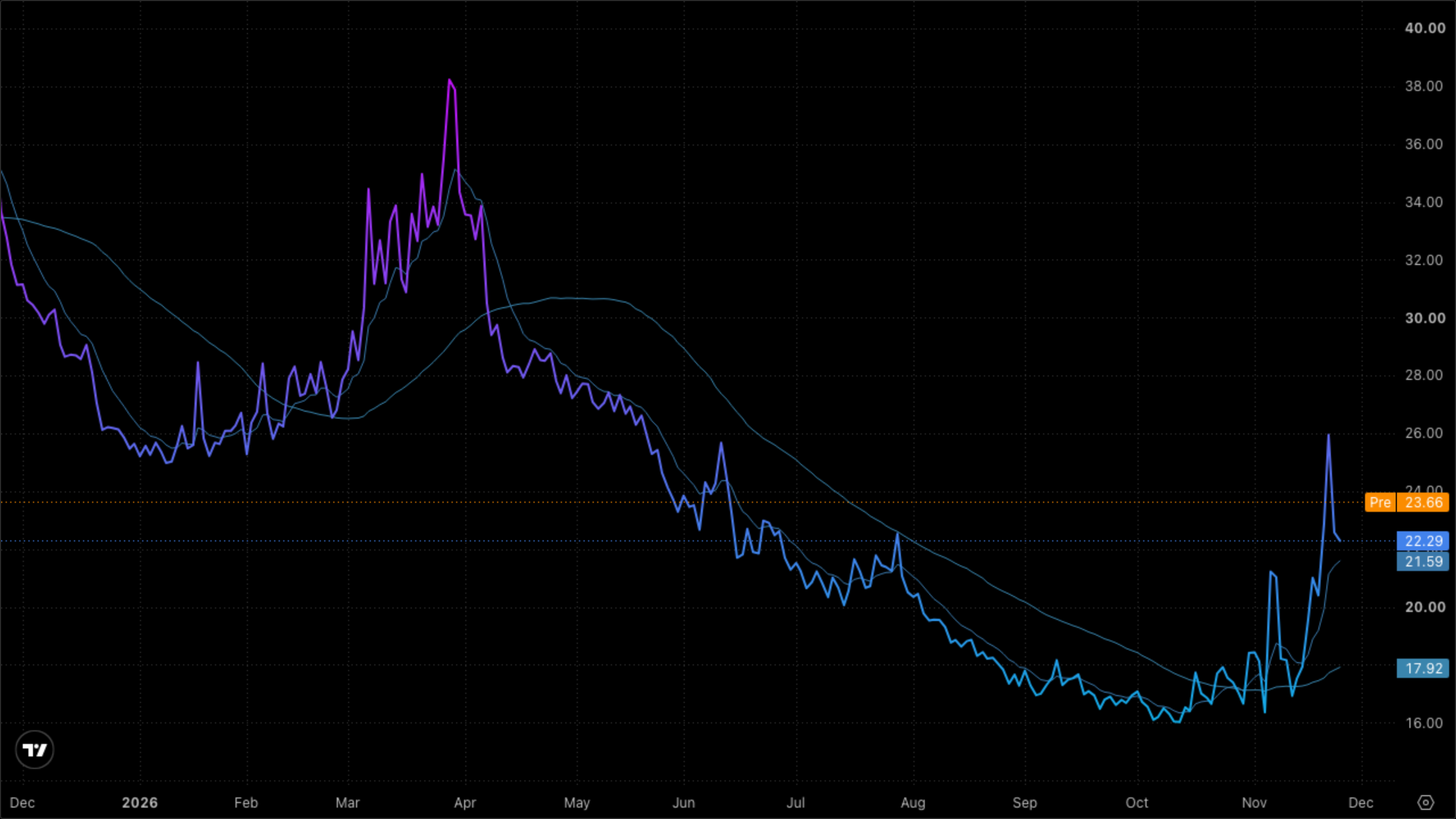
VIX +9.94% to 28.99 is the clearest signal that this was not a risk-on day despite benign inflation data. The disconnect — PCE beats to the downside, yet fear spikes — points to AI/semiconductor positioning risk as the dominant variable, not macro fundamentals. VIXY −1.28% to 22.29 diverging from spot VIX suggests the futures strip is pricing the spike as transient. DXY +0.21% to 104.06, mild dollar strength that did not impose a meaningful FX headwind.
Equity regime
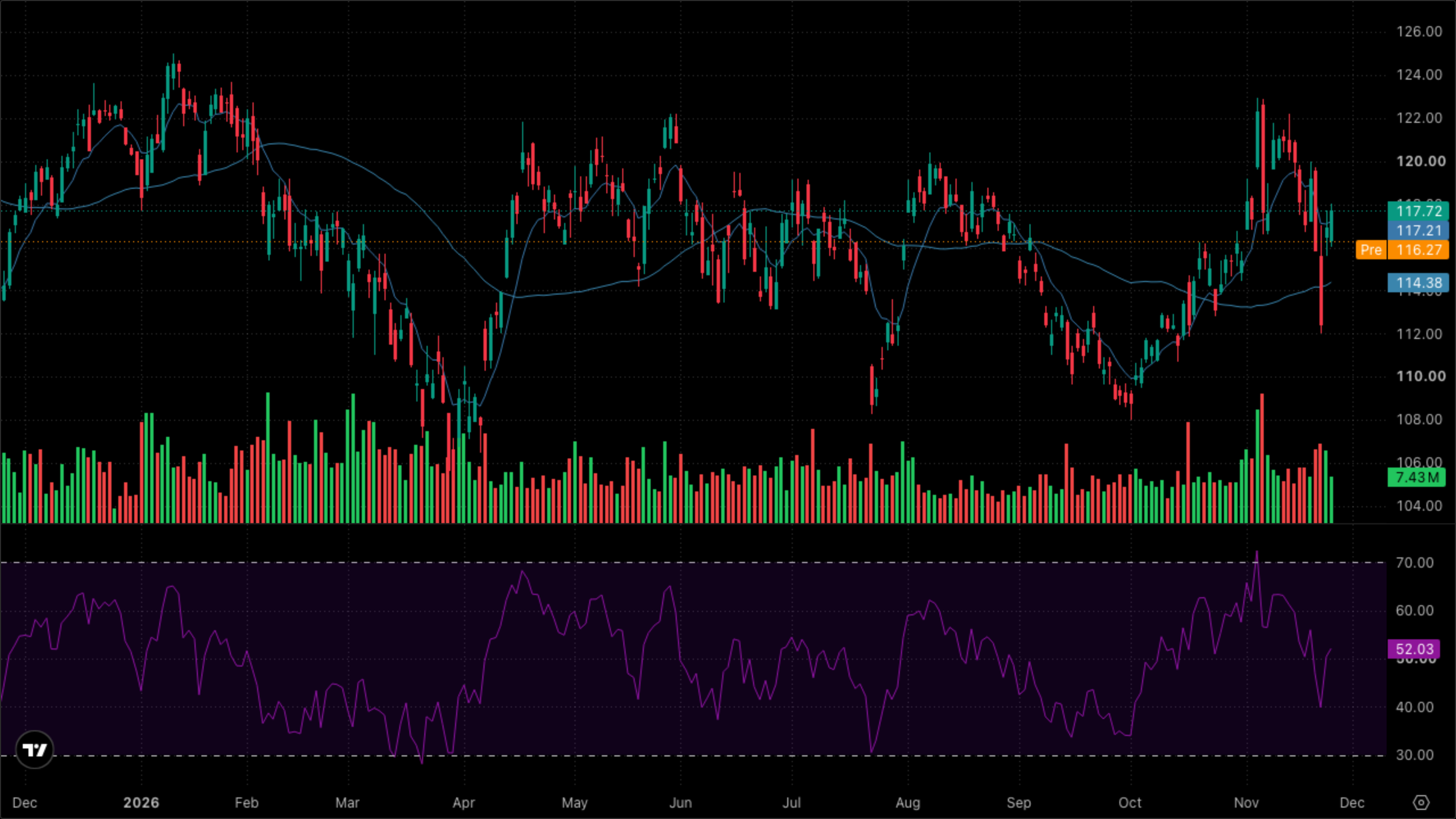
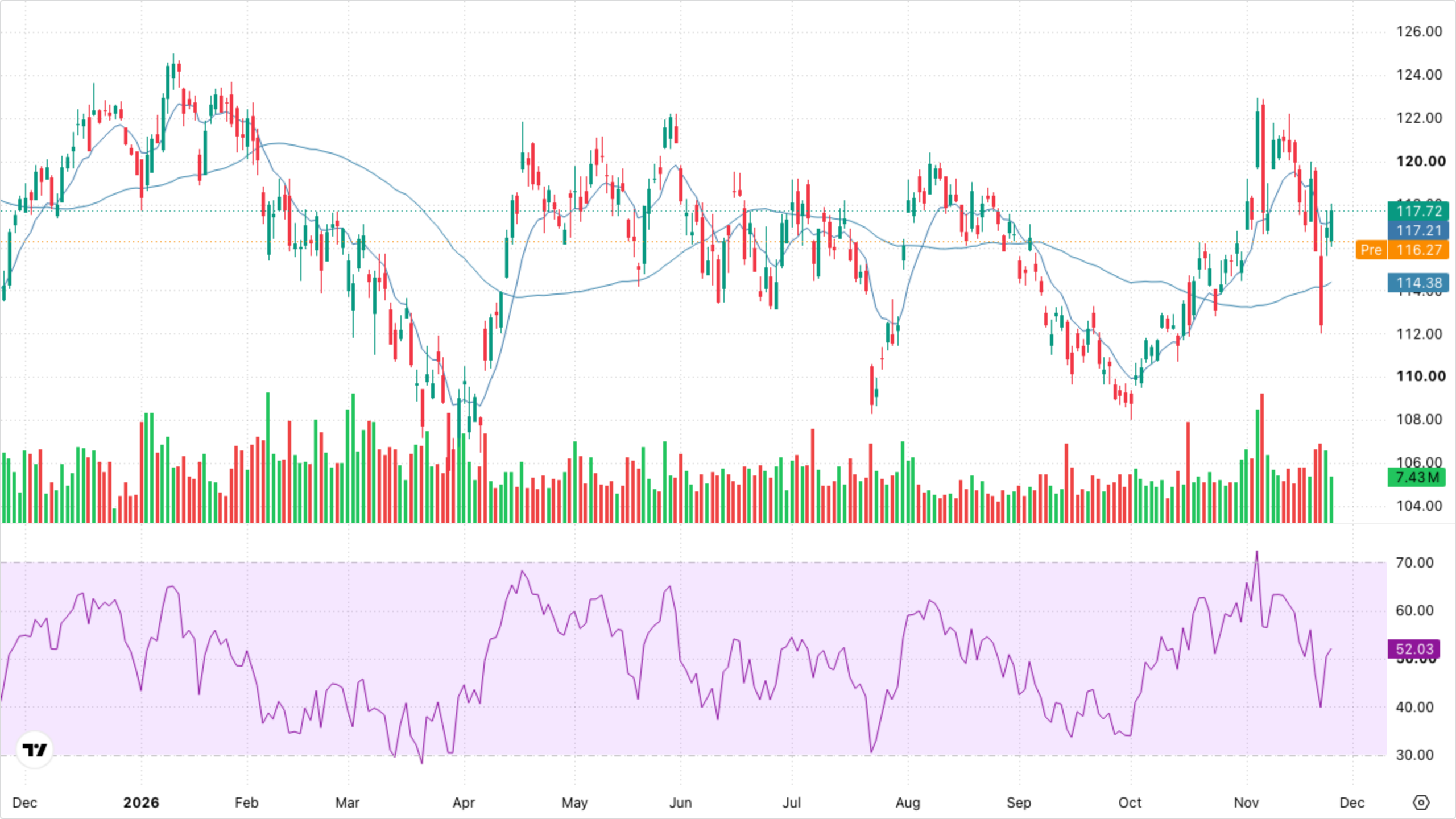
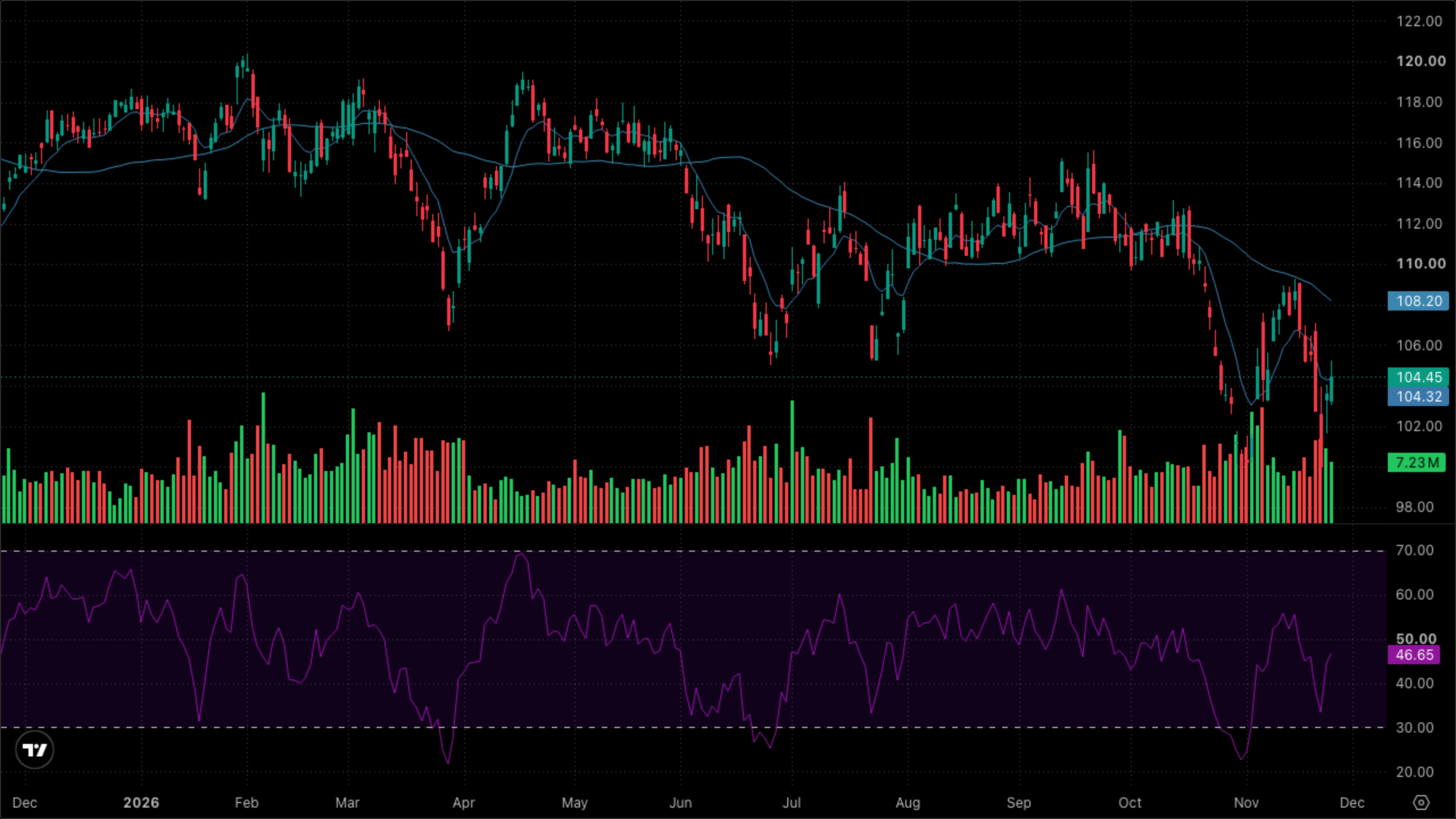
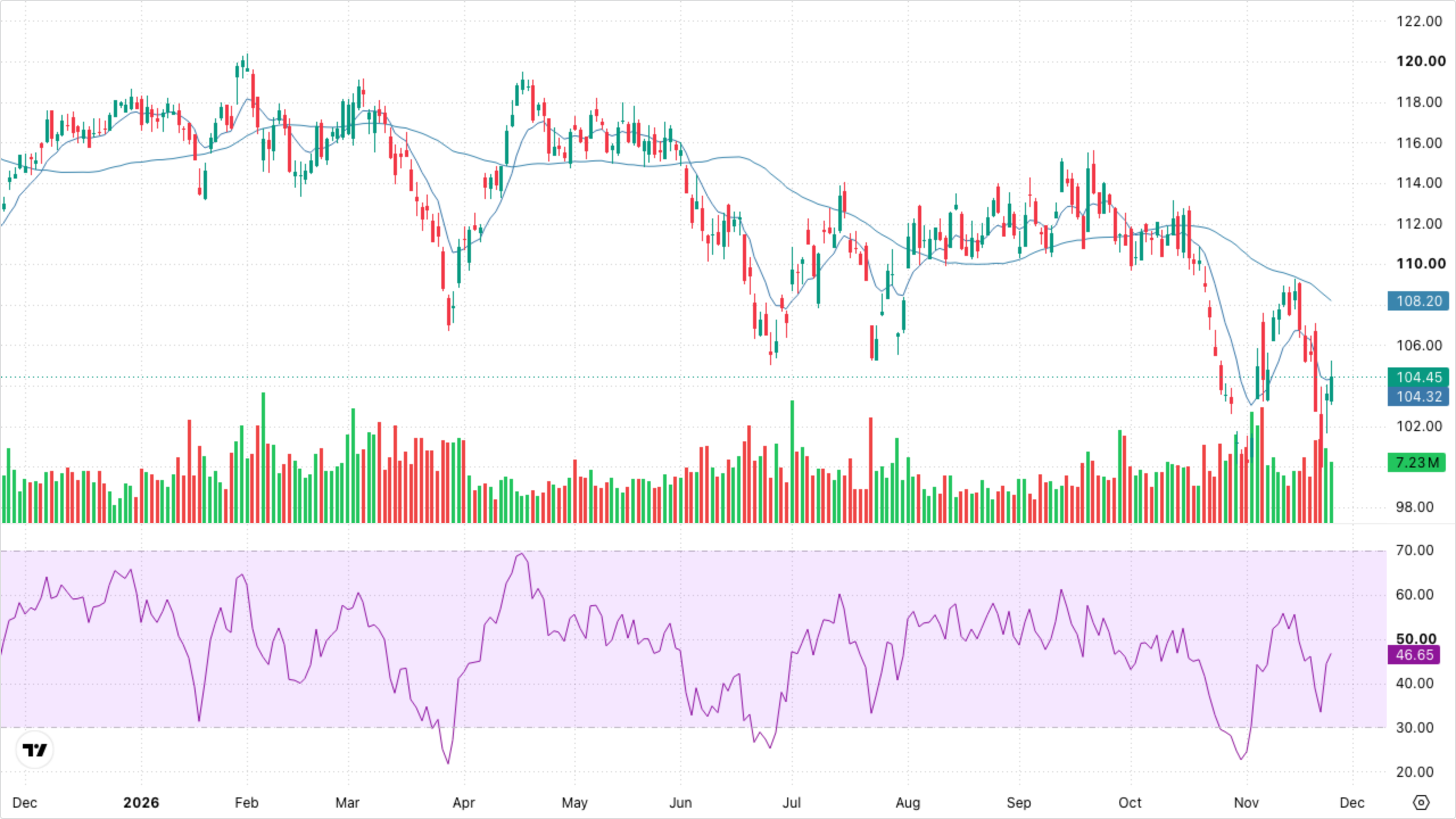
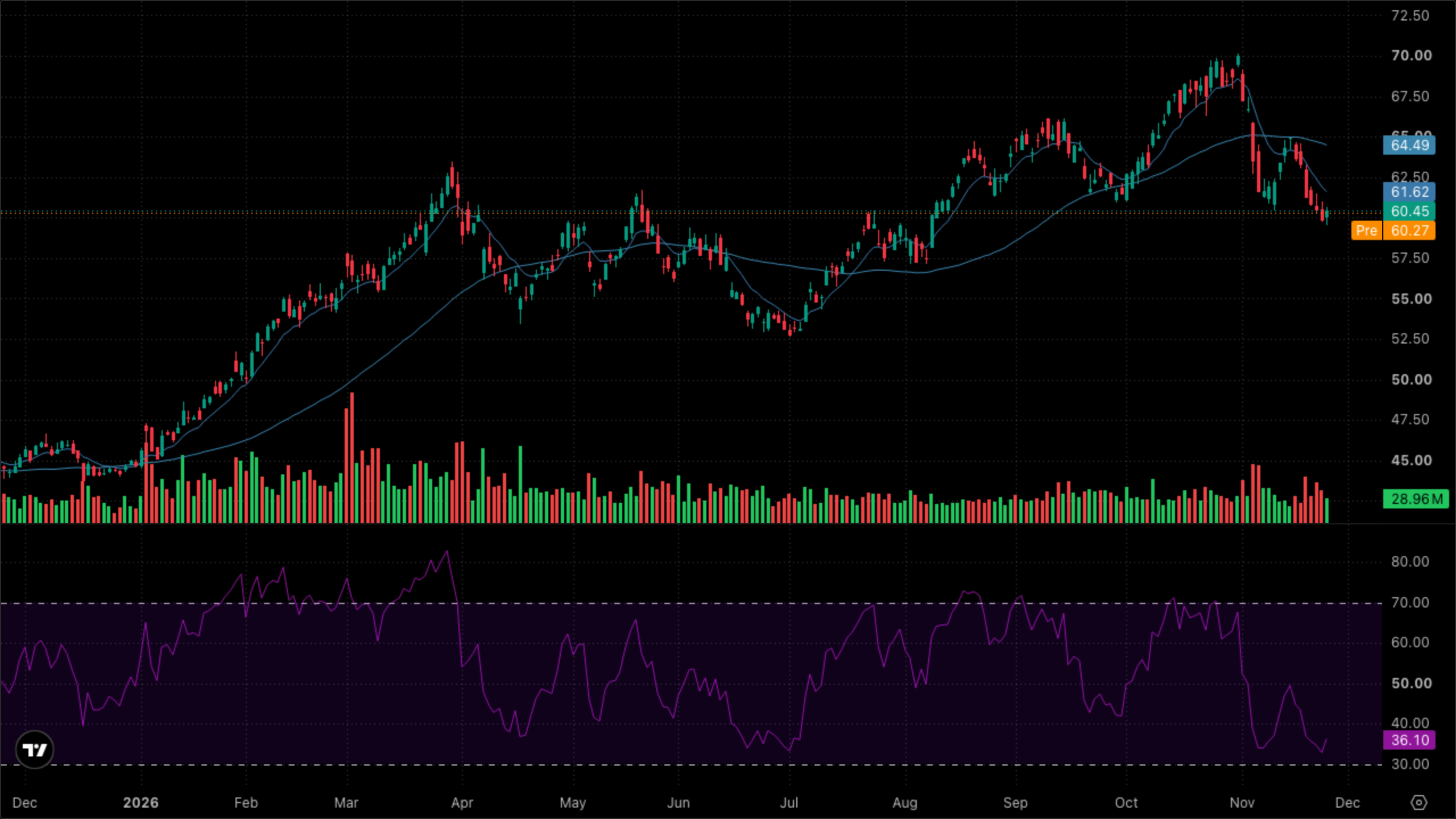
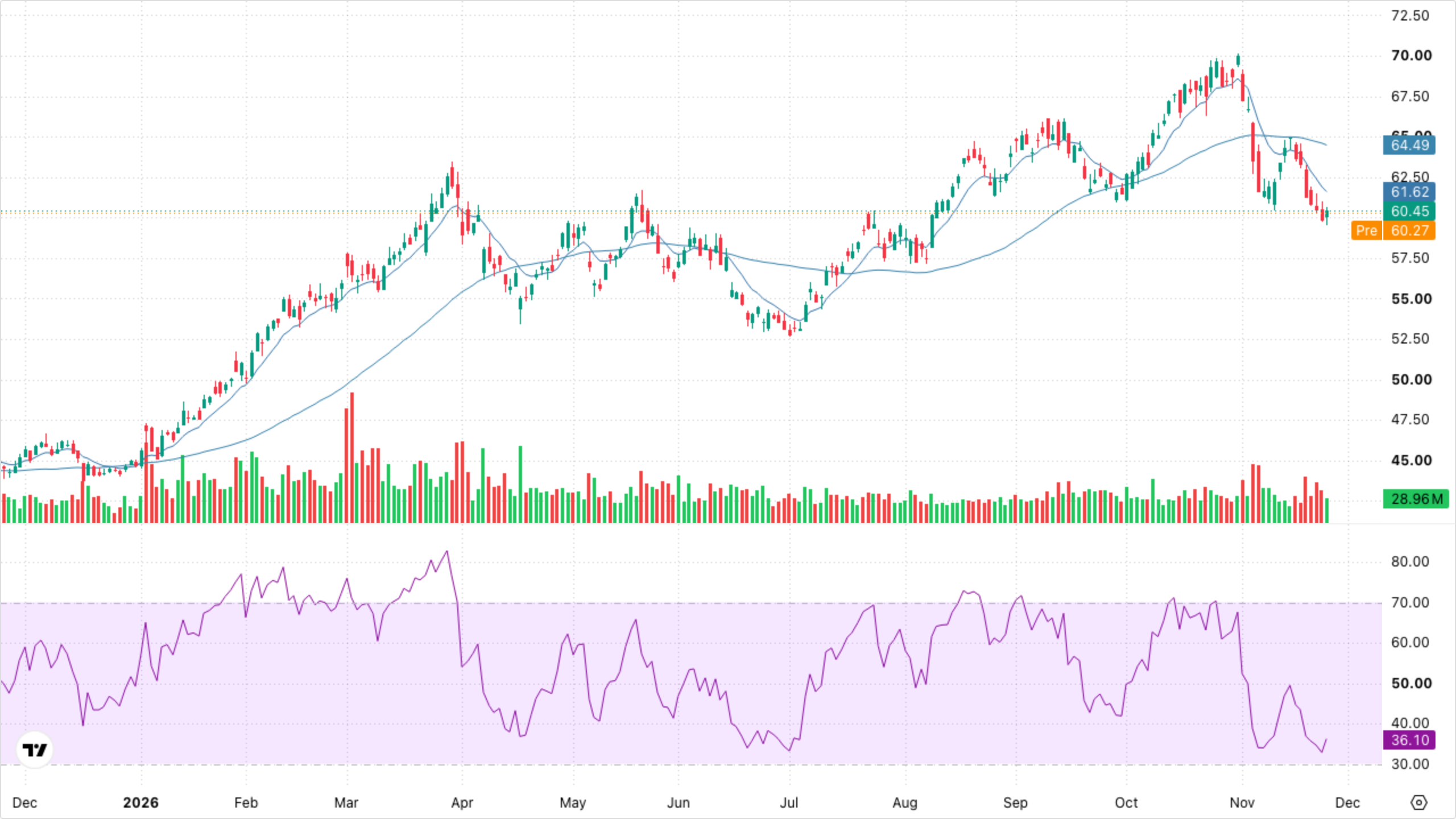
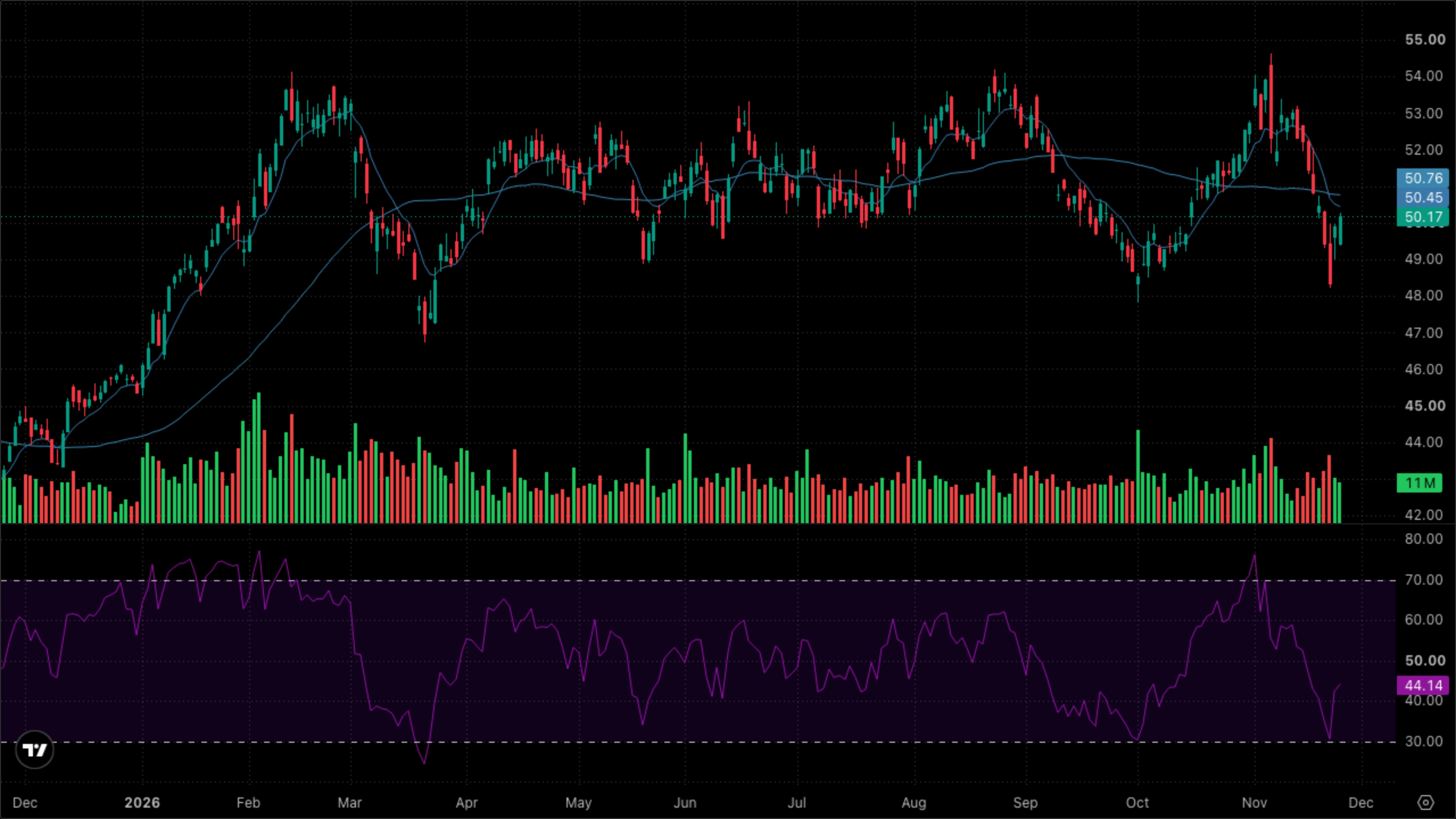
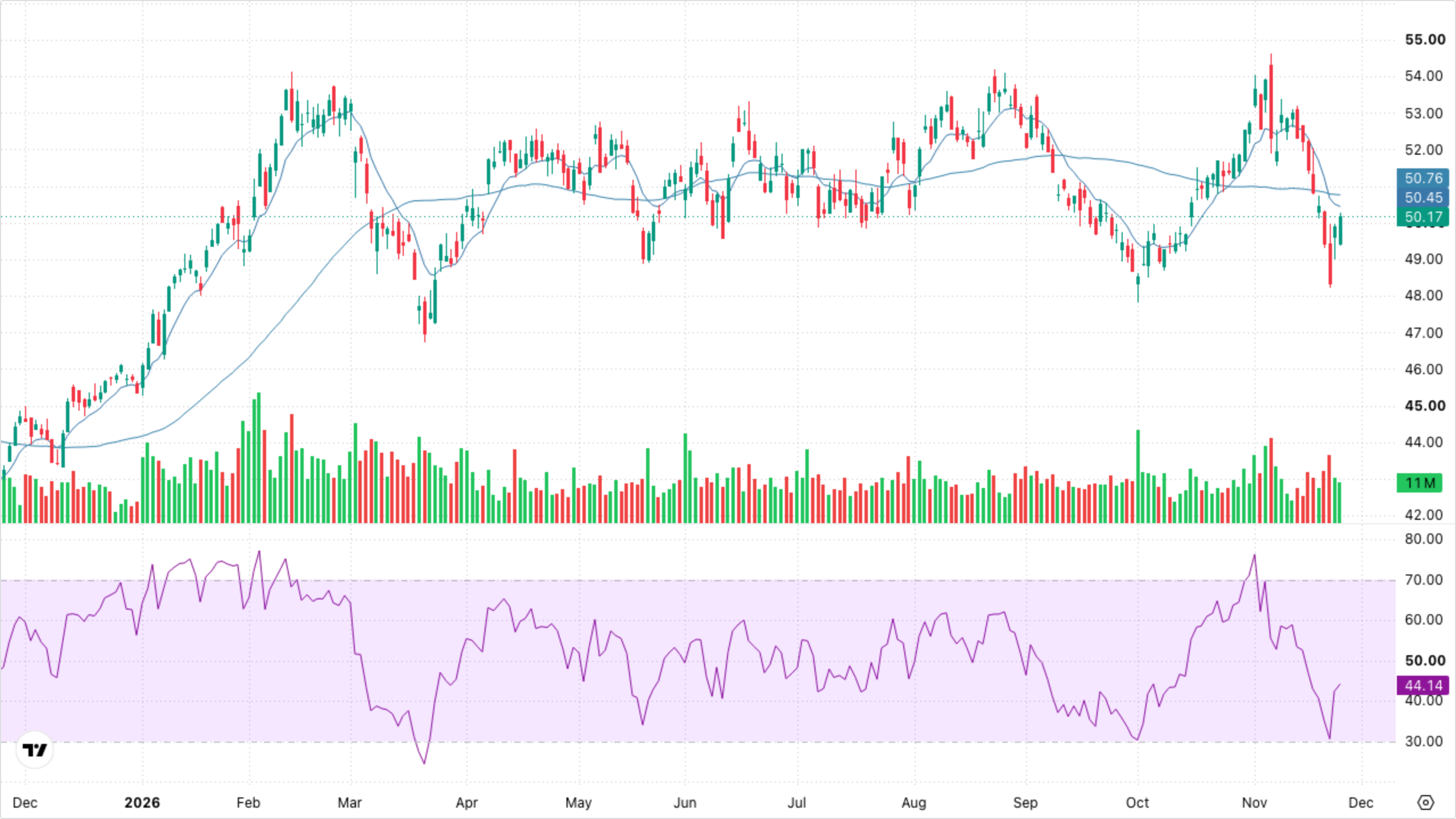
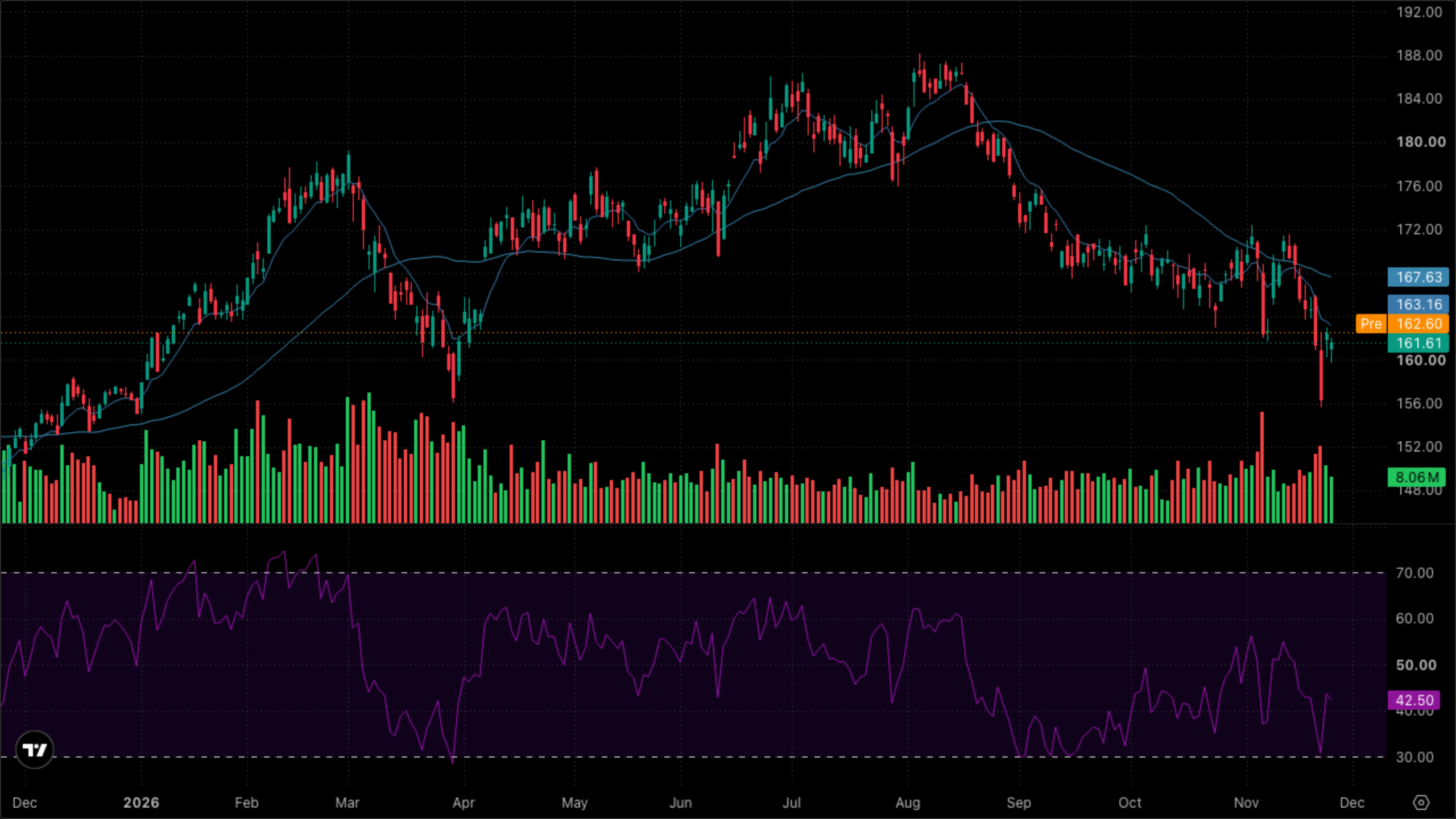
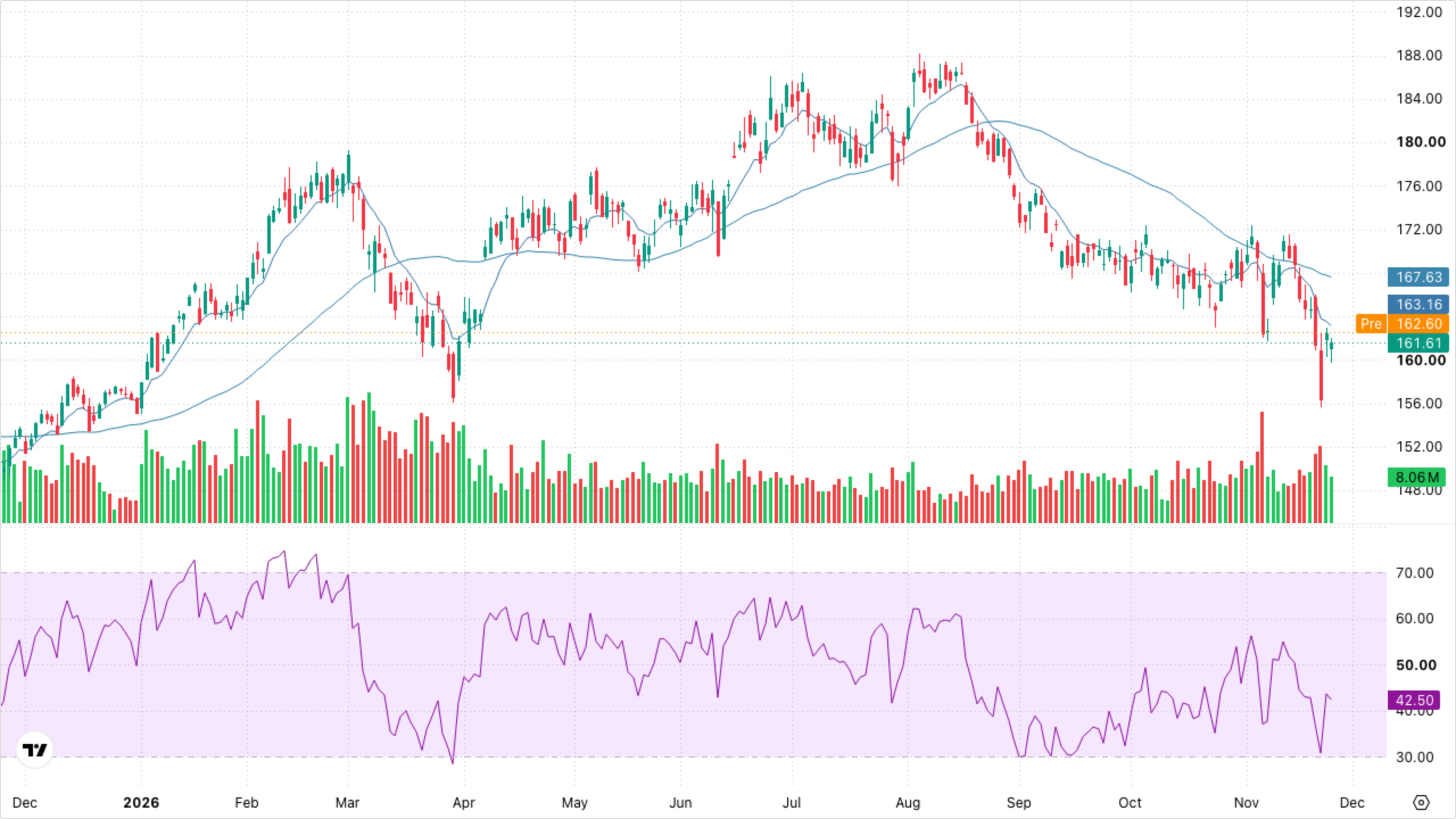
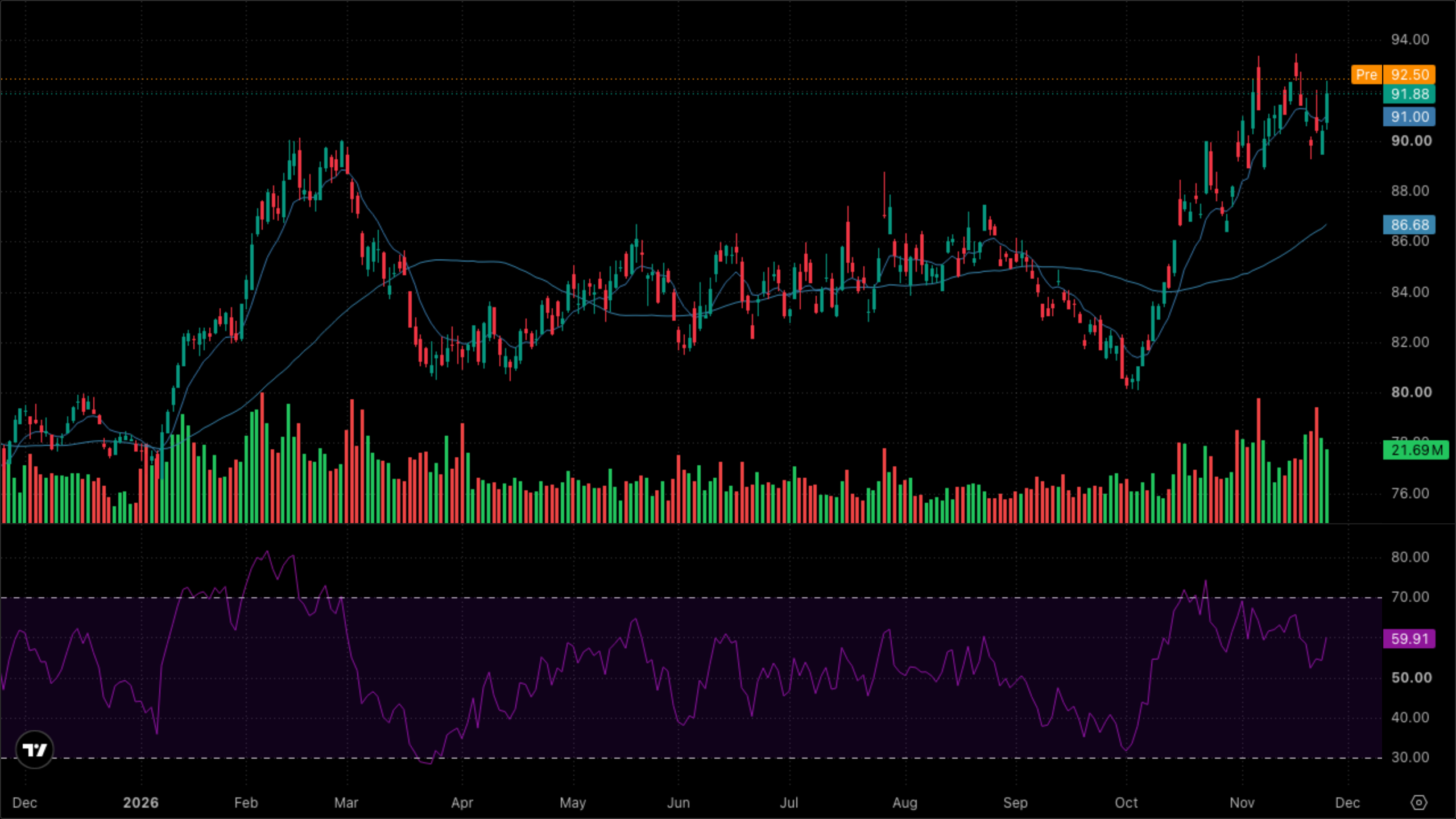
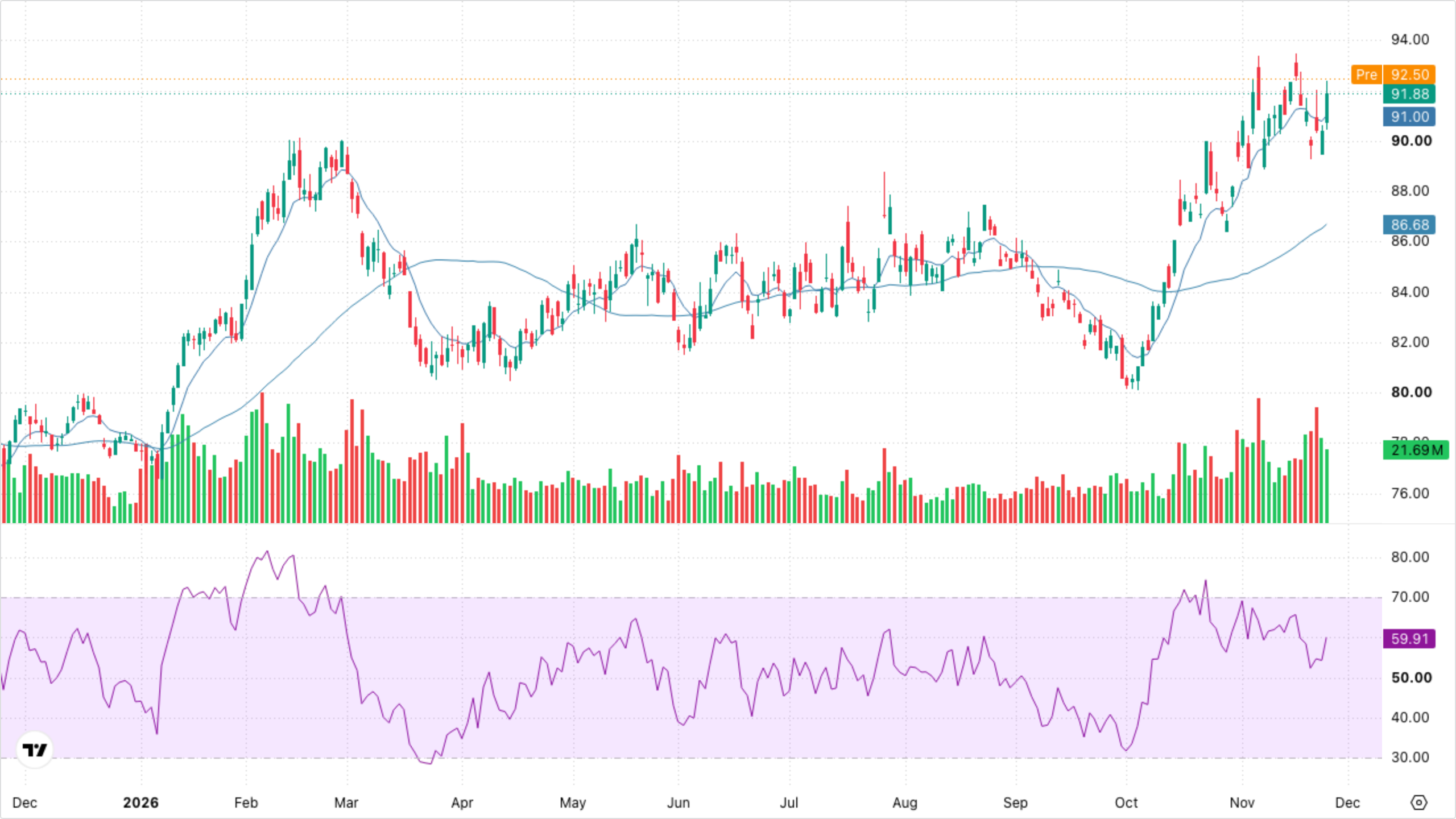
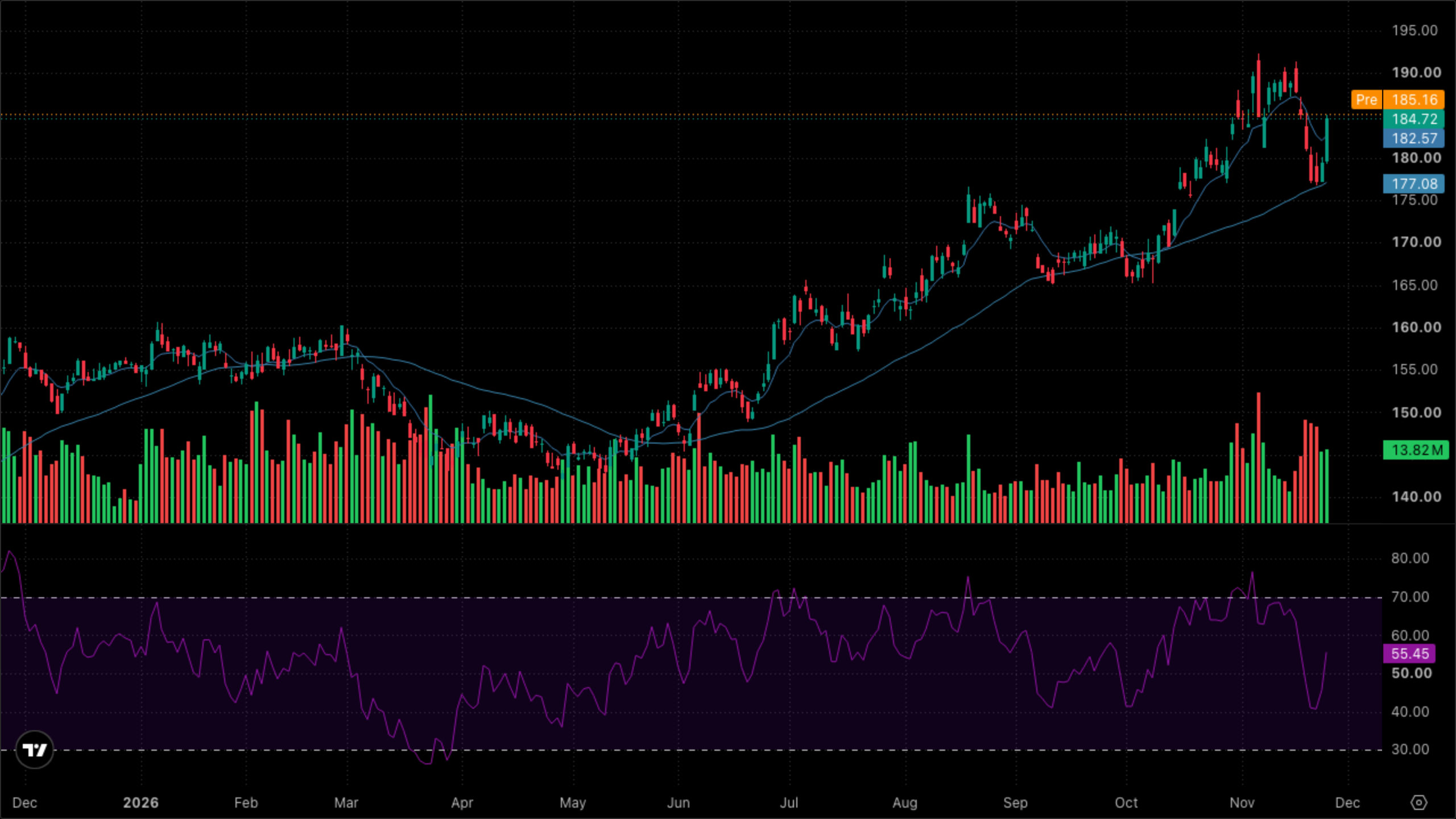
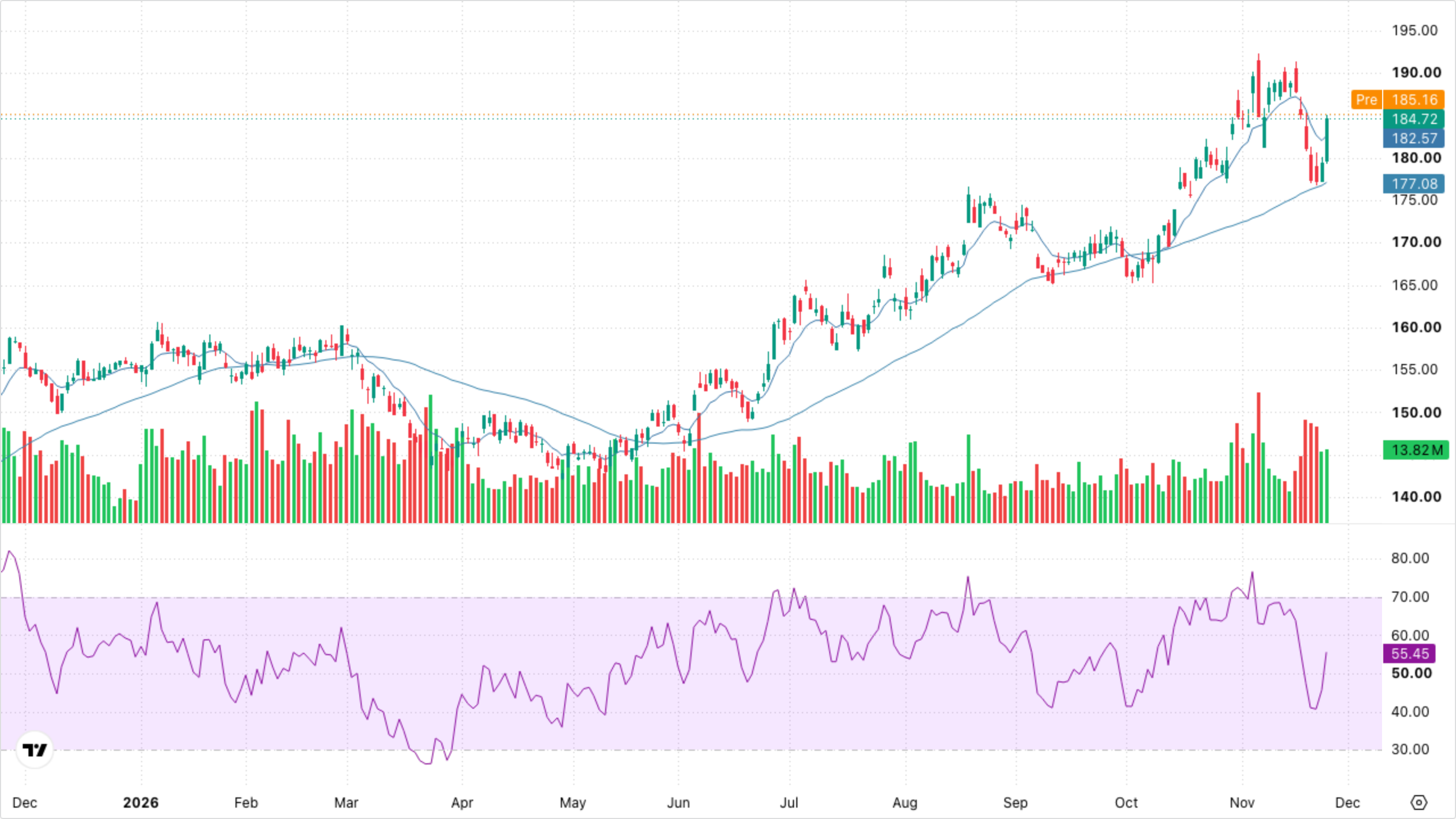
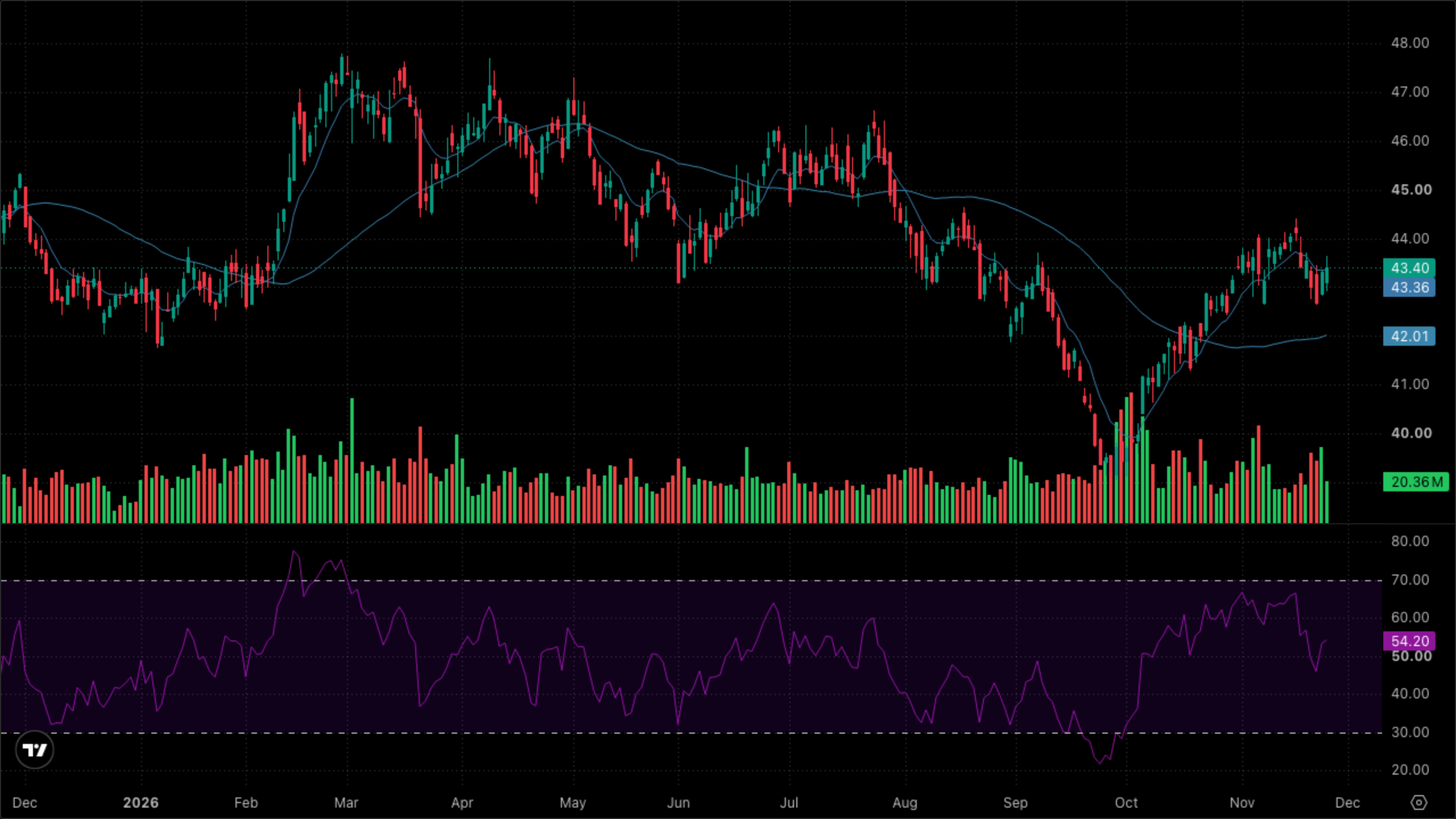
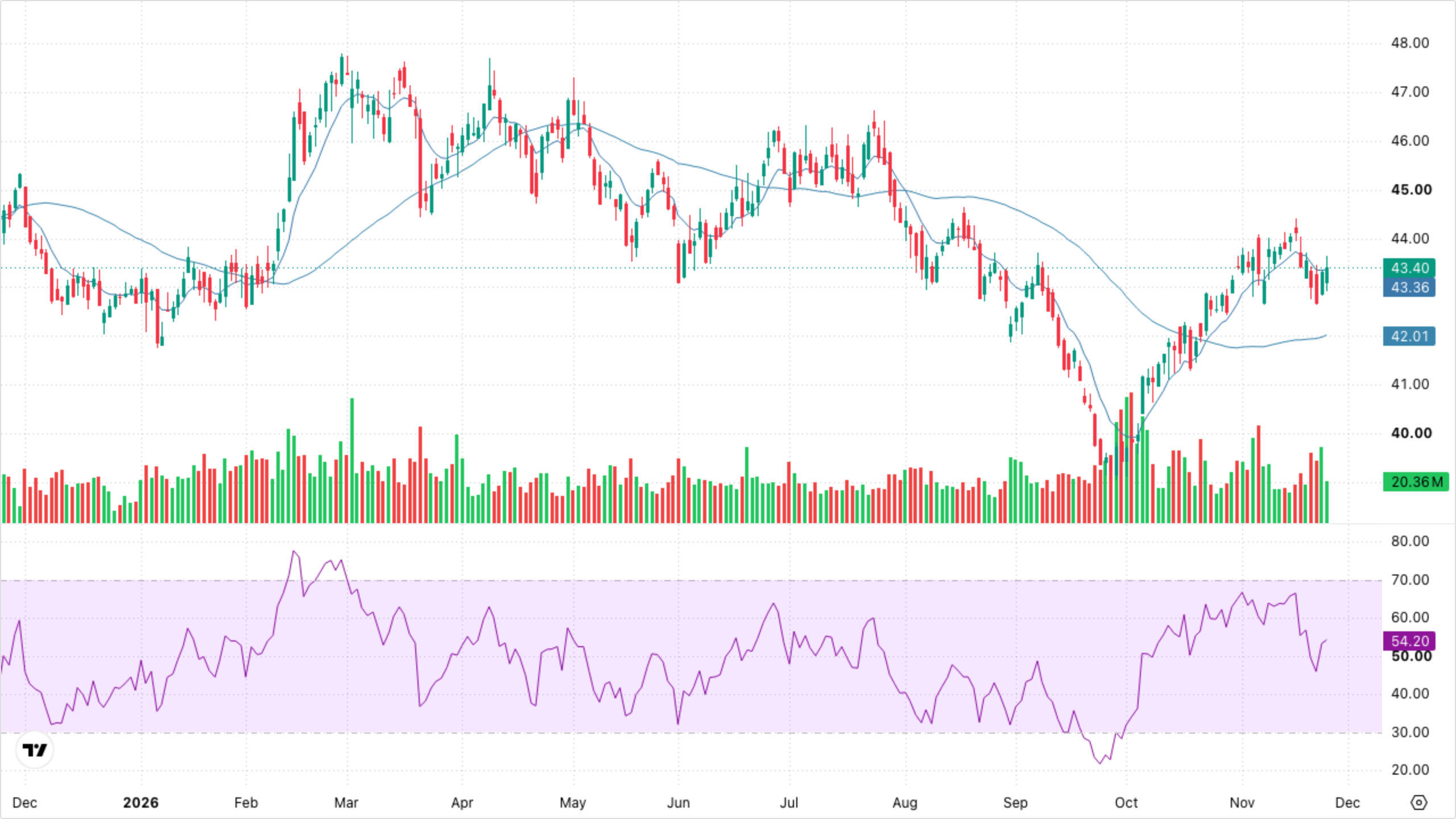
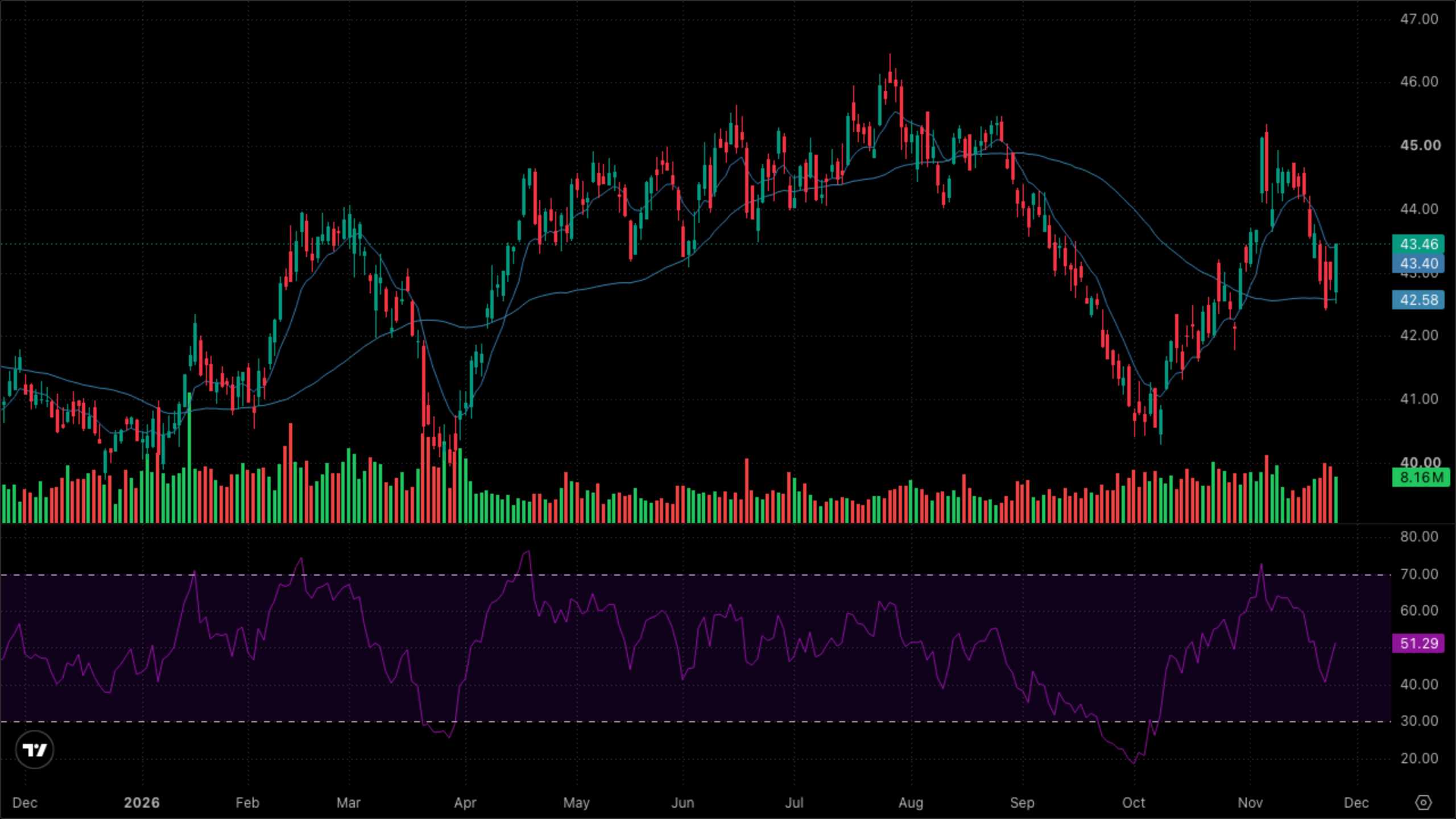
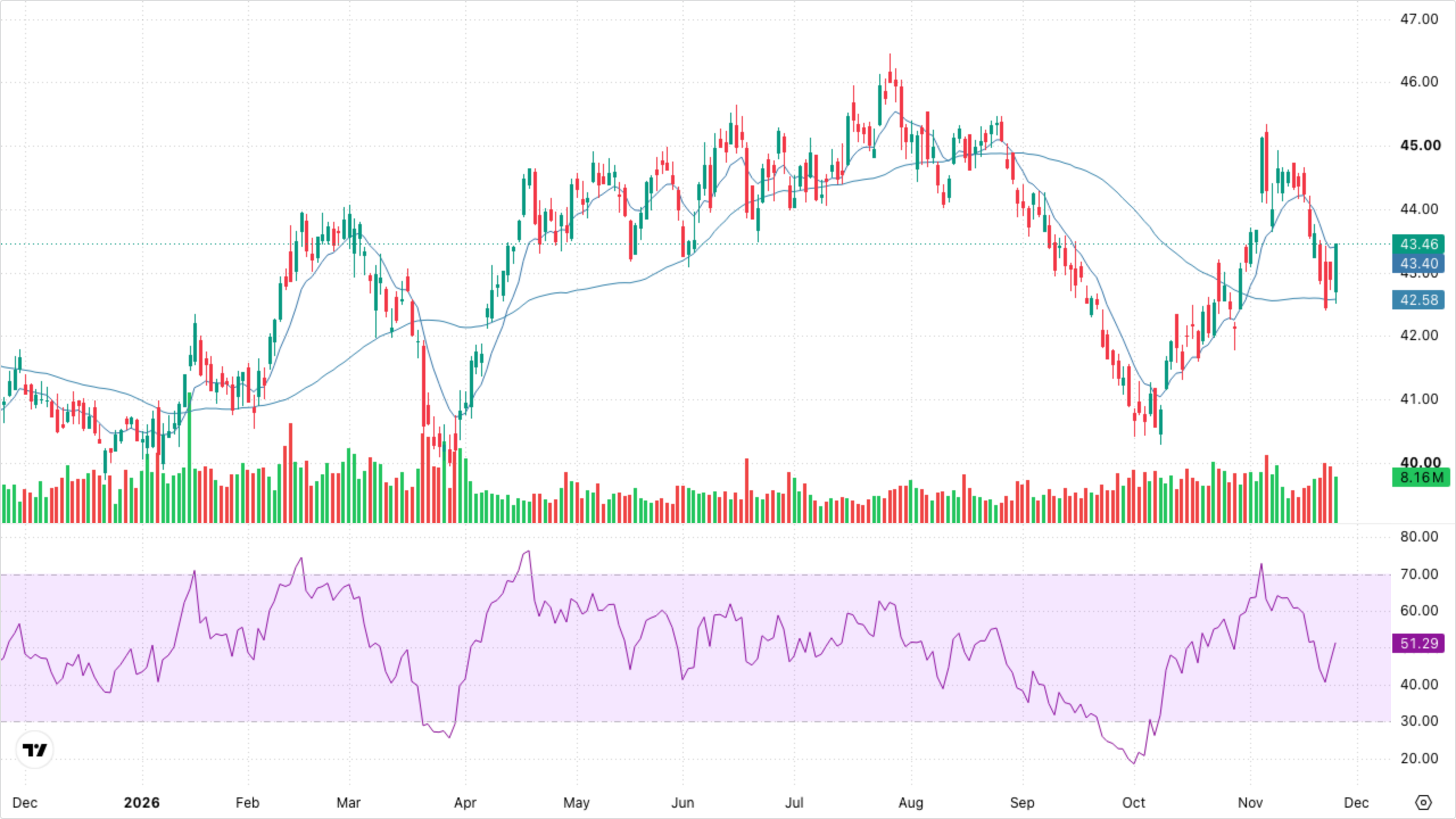
The session split cleanly by regime orientation. Goldilocks darlings (XLK −3.26%, QQQ −1.99%) were sold; stagflation defensives (XLV +2.95%, XLP +1.66%) and old-economy (Dow +0.85% through 50,000) were bought. Russell 2000 +0.57% outperformed SPY −0.49%, a breadth positive. XLC +0.82% and XLY +0.68% held up reasonably well, suggesting the rotation was specifically semiconductor/AI-concentration risk, not broad tech avoidance.
Global
USD/JPY +0.12% to 159.43 — yen continues weakening with no BOJ response yet at these levels. EUR/USD −0.23% to 1.09. No dramatic global dislocations; today's story was domestic positioning, not an external shock.
The weight of evidence points to Goldilocks confirmed by data, contested by rate market pricing — a resolution likely only after the December 9 FOMC decision.